
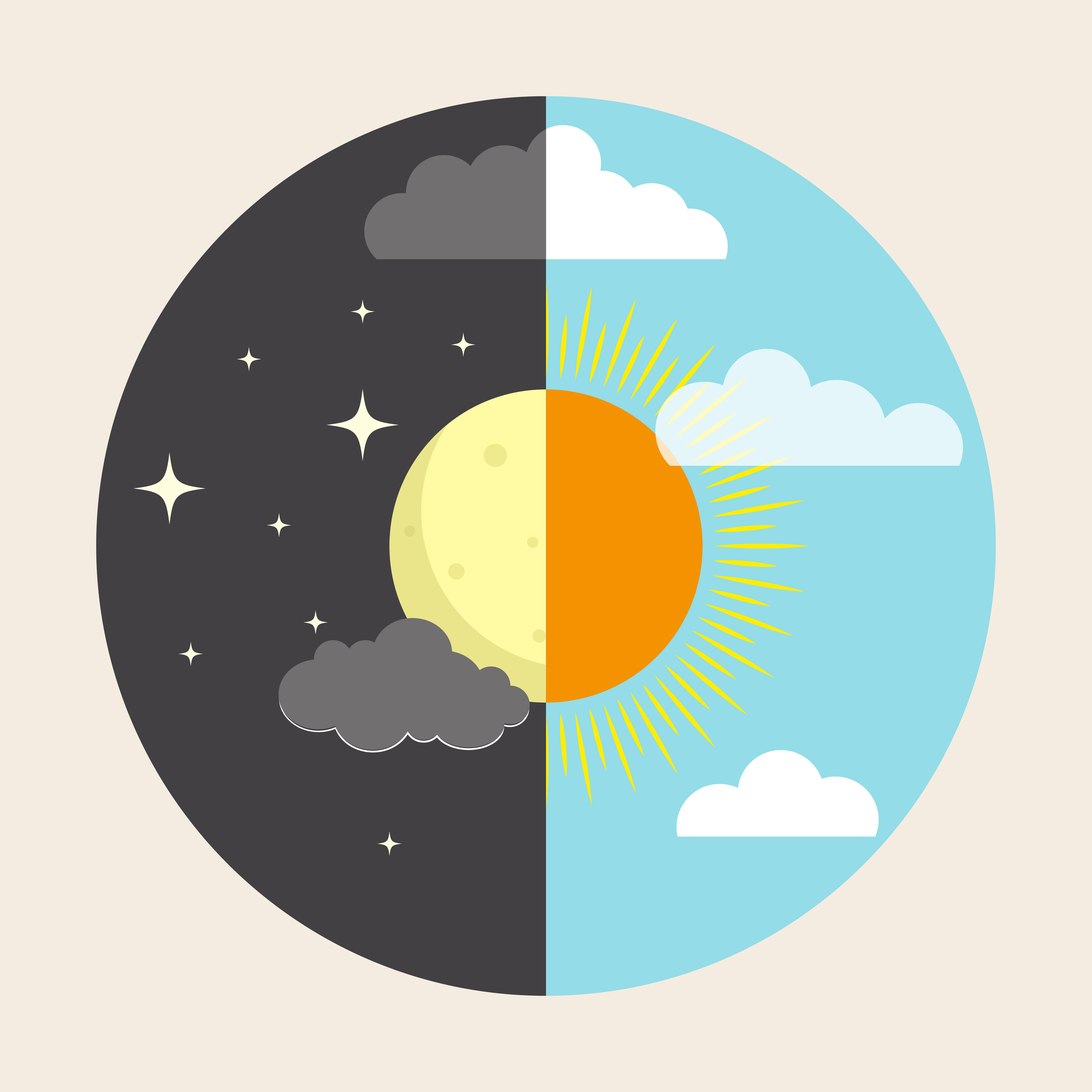

Twice a year, something remarkable happens across our planet: day and night become almost perfectly equal. This moment, known as the equinox, marks the changing of the seasons and has fascinated humans for thousands of years.
What Is the Spring Equinox?
The spring equinox, or vernal equinox, usually falls around 20th or 21st March in the Northern Hemisphere (22nd or 23rd September in the Southern Hemisphere) and marks the official beginning of spring. On this day, the Earth is positioned so that the sun sits directly above the equator. Because of this alignment, nearly every place on Earth experiences about 12 hours of daylight and 12 hours of darkness.
The word equinox comes from Latin, meaning “equal night” a simple but powerful description of this global balance.
A Moment That Shaped Civilisations
Long before modern science explained the equinox, ancient people carefully observed the skies. They noticed patterns in the sun’s movement and used these to track time, plant crops, and organise their lives.
Many ancient monuments were even built to align with the equinox. For example, the temple Chichén Itzá, built by the Maya. This famous pyramid (El Castillo) puts on an incredible show during the equinox: as the Sun sets, shadows form a zigzag pattern down the steps, creating the illusion of a giant serpent slithering down the pyramid. Showing just how important the changing seasons were to early societies.

There are also ancient monuments aligned with the equinoxes closer to home. The Loughcrew cairns in Ireland are megalithic monuments built around 3300BC. These prehistoric monuments align perfectly with both the Spring a Autumn Equinoxes, and can be an awe inspiring site when the light of the rising sun perfectly illuminates the interiors of the cairns and showcases the interior artwork.

Celebrations Around the World
The spring equinox has long been a symbol of renewal, rebirth, and new beginnings. Different cultures developed their own traditions to celebrate it:
- In parts of the Middle East and Central Asia, the equinox marks the new year with festivals full of food, family, and fresh starts.
- In Japan, people visit family graves and reflect on balance and harmony.
- Across Europe, ancient spring festivals welcomed warmer days and the return of growing crops, including the pagan festival of Ostara.
Even today, many of these traditions continue, connecting us to the past.
3 Teaching Ideas for the Spring Equinox
Bringing the spring equinox into the classroom can make history, science, and culture come alive. Here are three engaging ideas:
1. Shadow Tracking Experiment
Ask students to measure and record the length of a shadow at different times of the day. Compare results and discuss why shadows change linking it to the Sun’s position during the equinox.
2. Build a Mini Stone Circle
Have students create small “stone circles” Challenge them to align their structures with a light source to simulate how ancient monuments tracked the Sun.
3. Equinox Around the World
Assign groups different countries and have them research how the equinox is celebrated. Children can present their findings through posters.
Leave a Reply
You must be logged in to post a comment.